

Alternatives to Soku AI
Soku AI connects your marketing stack to replace days of manual analysis with instant, expert-level intelligence and actionable insights.
Explore 20 alternatives to Soku AI. Compare features, pricing, and find the best fit for your needs.
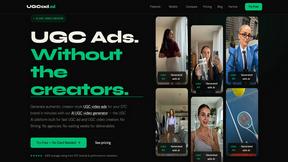
UGCad AI
AI UGC video ad Generator which Turn a URL, prompt, or template into a ready video ads
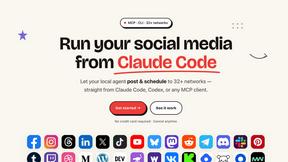
Groniz
Run your social media on autopilot with AI agents. Post & schedule to 32+ networks from Claude Code, Codex, or Console.

StopScroll
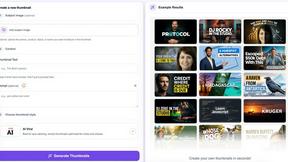
AI YouTube thumbnail maker that helps creators generate high-click thumbnails faster.
Listings API
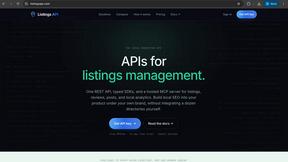
Publish and manage your business listings, reviews, and local data across platforms with a simple Python API.
Getlead
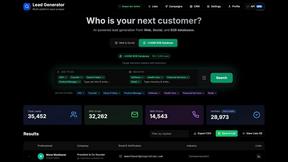
Getlead is an all-in-one AI B2B lead generation and cold email platform with 420 million contacts, offering lifetime access without monthly fees.
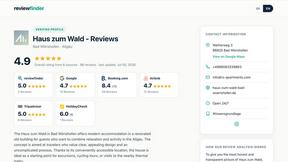
reviewfinder
Stop searching multiple sites and start making better decisions with reviewfinder, which curates and verifies all reviews for any product or company.
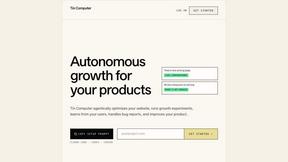
Tin Computer
Tin Computer is an autonomous growth agent that connects to your systems to continuously optimize your product by shipping experiments and fixes.
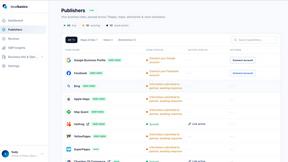
LocalBasics
LocalBasics syncs and protects your business info across 70+ platforms with a single one-time payment for unlimited updates and no subscription.
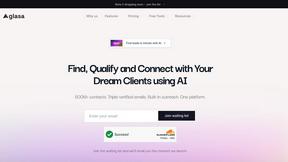
Glasa
Glasa uses AI agents to find, validate, and connect you with ideal B2B clients from over 800 million contacts.

Analook
Analook analyzes any competitor's full web presence in 60 seconds by scanning SEO, traffic, social media, and growth data from 15+ sources.
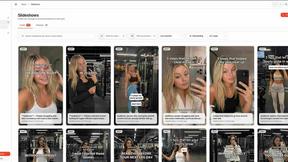
Attentionclaw
AttentionClaw turns app details into branded social slideshows with AI-generated copy and images ready for Instagram and TikTok.
Customer Feedback
Customer Feedback uses GPT-5.6 to match each website visitor with a peer video testimonial that answers their specific doubt and builds trust.
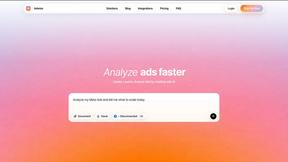
Adwize AI
Adwize AI is an AI growth agent that lets you launch, analyze, and optimize Meta campaigns by simply chatting.
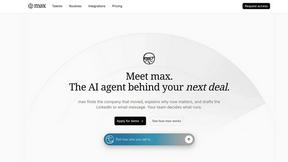
max
Max is an AI agent that finds high-intent B2B buyers by detecting signals and automating personalized outreach.
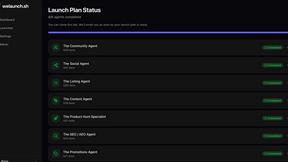
welaunch.sh
welaunch.sh plans your AI launch by finding the exact subreddits and directories for your buyers with ready-to-post copy and one-click posting.
About Soku AI Alternatives
Soku AI is an AI-powered marketing analytics tool that connects directly to platforms like Meta Ads, Google Ads, TikTok Ads, GA4, and Shopify, allowing users to ask plain-language questions about their performance data and receive instant, expert-level insights. It falls under the marketing analytics and AI copilot category, designed to unify fragmented data from paid, organic, email, and social channels while automating root-cause analysis and generating actionable outputs like budget recommendations and content briefs. Users often look for alternatives due to factors such as pricing changes after beta, the need for specific data source integrations not yet supported, or a desire for different analytical approaches like deeper predictive modeling or more granular reporting controls. When evaluating an alternative, you should prioritize platforms that offer seamless read-only integrations with your existing marketing stack, provide clear and explainable root-cause analysis, and deliver actionable outputs that your team can implement directly, all while fitting your budget and scaling with your data volume.