

Alternatives to PainMap
PainMap validates your product idea by analyzing real user pain points and competitor weaknesses across five platforms in under ten minutes.
Explore 20 alternatives to PainMap. Compare features, pricing, and find the best fit for your needs.

Built2WinWeb AI SEO
Custom PHP websites, AI Indexing Pack ($599 one‑time), and WebAgentScan SaaS ($9/mo). MCP, A2A, llms.txt, full ownership.
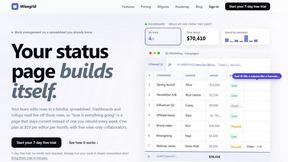
Wisegrid
Wisegrid helps project-driven teams manage projects, workflows, resources, and reporting in a familiar spreadsheet-style workspace.

Co-GM
Co-GM replaces multiple Discord bots with one tool for MMO guild roster management, PvP analytics, and scheduling.

Plate Photo AI
Plate Photo AI instantly transforms ordinary phone food photos into professional, menu-ready images that boost orders for restaurants and delivery.
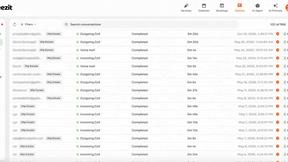
Breezit AI
Breezit AI is an intelligent sales assistant that captures and responds to every venue inquiry instantly across all channels, converting 50 percent.

anewera
anewera makes your business visible, understandable, and contactable for AI agents like ChatGPT through a verified directory.
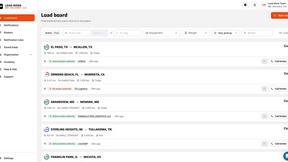
LoadWork
LoadWork is the largest expedited platform helping cargo van and box truck carriers find loads, financing, and support to grow their business.

Vibeworker
Vibeworker uses AI to instantly score every new Upwork job against your profile and strategy, sending you only the best opportunities.
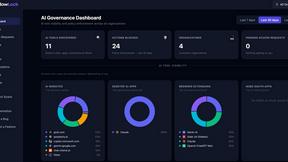
ShadowLock
ShadowLock detects and blocks unauthorized AI tool usage to prevent sensitive data leaks across your organization.

PrimeClaws VPS
PrimeClaws VPS provides managed 24/7 AI hosting with zero DevOps and includes free daily access to frontier models.
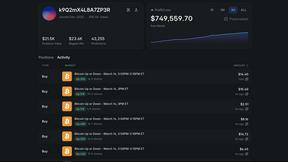
Polymarket Trading Bot For Crypto
Automate profitable 5-15 minute Bitcoin Up or Down trades on Polymarket using a transparent, reverse-engineered bot you run locally for full privacy.
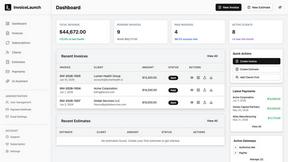
InvoiceLaunch
InvoiceLaunch is an all-in-one platform for creating professional invoices, accepting payments via 12 gateways, and managing clients with AI.

Vendbuddy
VendBuddy simplifies vending operations by locating machines, generating contracts, and tracking revenue, enabling effortless income generation.
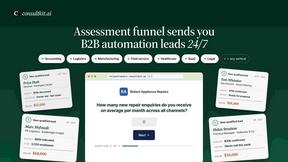
ConsultKit
ConsultKit lets one operator sell AI to any business at scale by qualifying leads, briefing calls, and shipping branded audits.

ExploreGF
ExploreGF is your one-stop hub to compare and filter AI girlfriend characters based on traits, performance, and preferences.

Fimo
Fimo is an AI website builder that instantly creates live, customizable sites with built-in hosting, analytics, and a CMS you can refine anytime.
About PainMap Alternatives
PainMap is a specialized market research tool designed for solo founders and indie hackers, falling within the software category of product validation and customer discovery platforms. Its core function is to automate the identification of user pain points by scanning public forums, review sites, and social media for evidence of failed tools and unmet needs, then delivering actionable insights like validated pain points and willingness-to-pay signals. Users commonly seek alternatives to PainMap for reasons such as budget constraints, a need for more granular control over data sources, integration with specific project management workflows, or a preference for a tool that offers broader market analysis beyond the MVP and landing page focus. When evaluating alternatives to PainMap, you should prioritize platforms that offer robust data sourcing from the channels most relevant to your target audience, such as niche industry forums or specific review sites. Look for tools that provide clear, citable evidence for each identified pain point, as raw data is more valuable than vague summaries. Additionally, consider the format of the output—whether you need a comprehensive report, real-time alerts, or API access—and ensure the pricing model aligns with your stage of development, whether you are pre-revenue or scaling. A good alternative will save you time without sacrificing the depth of qualitative insights that prevent you from building products nobody wants.
FAQs about PainMap Alternatives
What is PainMap?
PainMap is a market research tool that uses parallel AI research to identify validated pain points from users of competing products. It scans platforms like Reddit, X, G2, Capterra, and Trustpilot simultaneously to find evidence of broken tools, manual processes, and money drains. Within minutes, it delivers a report containing real evidence quotes, willingness to pay signals, and a full MVP brief to help you build products people actually need.
Who is PainMap for?
PainMap is specifically built for solo founders and indie hackers who are tired of launching products that fail to gain traction. It is ideal for entrepreneurs who want to stop relying on gut feel and instead build based on concrete evidence of what customers are already struggling with. The tool is designed for those who need fast, actionable insights to define features, anchor pricing, and craft landing page copy without extensive manual research.
Is PainMap free?
Yes, PainMap offers a free plan that requires no credit card to get started. This allows solo founders and indie hackers to test the tool and access basic pain point identification capabilities without any upfront financial commitment. The free plan is designed to help you validate the value of evidence-based building before considering any paid upgrades.
What are the main features of PainMap?
PainMap's primary feature is its parallel AI research engine, which simultaneously analyzes multiple public data sources to surface validated pain points. It provides real evidence quotes from real users, identifies willingness to pay signals, and generates a full MVP brief based on competitor weaknesses. Additionally, it helps anchor product pricing to real market data and produces landing page copy that is ready to publish, streamlining the entire go-to-market process.